



Preprinted Label Stickers vs Handwritten Labels: Which Is Better?
Clear, accurate labelling plays a vital role in retail operations. From pricing and promotions to stock management and compliance, labels influence how efficiently a store runs and how customers perceive your business. One of the most common questions retailers face is whether preprinted label stickers or handwritten labels are the better choice.
While handwritten labels may seem quick and low cost at first glance, they often introduce inefficiencies that impact accuracy, professionalism, and staff time. In this blog, we compare preprinted label stickers and handwritten labels across key retail considerations so you can make an informed decision for your business.
This guide is written for retailers looking to improve operational efficiency, reduce errors, and present products clearly, using proven retail labelling best practices.
Understanding the Two Labelling Methods
What Are Preprinted Label Stickers?
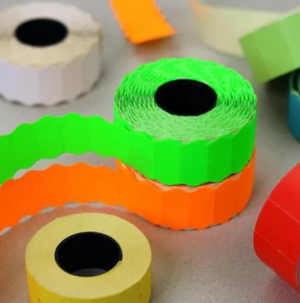
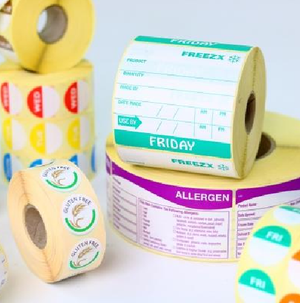
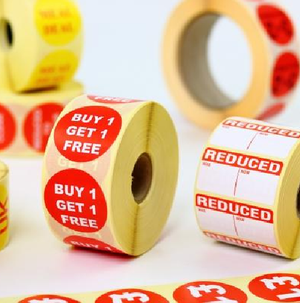
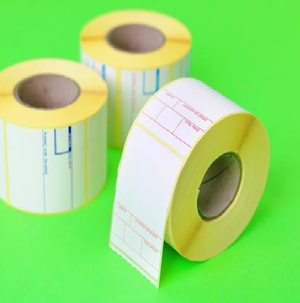
Preprinted label stickers are adhesive labels that come with fixed text or pricing already printed. These labels are ready to use straight out of the box and are typically designed to work with standard pricing guns. Retailers use them for prices, promotions, use by dates, reduced items, and stock identification.
Price Gun Land supplies a wide range of preprinted labels suitable for supermarkets, convenience stores, clothing retailers, pharmacies, and warehouses.
What Are Handwritten Labels?
Handwritten labels are blank stickers or tags that staff manually write on using pens or markers. They are often used for quick price changes or temporary notes, particularly in smaller retail environments.
While they offer flexibility, handwritten labels rely heavily on staff accuracy, legibility, and consistency, which can vary widely.
Speed and Efficiency in Day-to-Day Retail
Preprinted Labels Save Time at Scale
In busy retail environments, speed matters. Applying a preprinted label takes seconds and requires no writing, checking, or redoing. When labelling dozens or hundreds of items, the time savings become significant.
Preprinted labels also allow retailers to prepare in advance. Sale labels, reduced price stickers, or date labels can be applied quickly during quiet periods rather than during peak trading hours.
Handwritten Labels Slow Down Workflow
Handwritten labels take longer to apply because each one must be written individually. Staff must also double check prices, spelling, and clarity. During busy periods, this can slow down restocking, repricing, and promotions.
Inconsistent handwriting between staff members can also lead to confusion, requiring relabelling and further time loss.
Accuracy and Error Reduction
Consistency With Preprinted Labels
Preprinted labels deliver consistent formatting, wording, and pricing across all products. This reduces pricing disputes at the till and helps ensure compliance with consumer pricing regulations.
Using standardised labels such as sale was now or our price also ensures promotional messaging is clear and uniform throughout the store.
Examples from Price Gun Land include:
All are available within the preprinted labels collection and designed for high visibility and fast application.
Risk of Errors With Handwritten Labels
Handwritten labels increase the likelihood of pricing mistakes, unclear writing, or incorrect information. Even small errors can cause customer dissatisfaction or require staff intervention at checkout.
In regulated sectors such as food retail, unclear date labelling can also pose compliance risks, making handwritten labels less suitable for critical information.
Professional Appearance and Customer Trust
Preprinted Labels Enhance Store Presentation
Customers expect clear, easy to read pricing. Preprinted labels look professional and consistent, reinforcing trust in your pricing and promotions. A clean labelling system also reflects positively on overall store management and attention to detail.
Retailers using preprinted labels benefit from improved shelf presentation and a more polished in store experience.
Handwritten Labels Can Appear Inconsistent
Handwritten labels may look rushed or uneven, particularly when written quickly or by multiple staff members. In premium or high traffic retail environments, inconsistent labelling can reduce perceived professionalism.
Customers may also question unclear prices, leading to delays at checkout or reduced confidence in promotional offers.
Training and Staff Management
Easier Training With Preprinted Labels
Preprinted labels simplify staff training. New employees or temporary staff can apply labels immediately without learning pricing formats or writing standards. This is especially useful during seasonal peaks or staff turnover.
Because the information is already printed, staff focus purely on placement and speed.
Handwritten Labels Require More Oversight
Handwritten labels require guidance on pricing format, legibility, and consistency. Managers may need to check labels regularly, adding to supervisory workload.
In fast paced environments, maintaining consistency across handwritten labels is challenging.
Cost Considerations: Short Term vs Long Term
Preprinted Labels Offer Better Long Term Value
While preprinted labels may appear more expensive upfront, they often reduce overall labour costs by saving staff time. Fewer pricing errors also mean less time resolving disputes or redoing labels.
Buying labels in bulk further improves value, particularly for high volume retailers.
Handwritten Labels Can Cost More Over Time
Handwritten labels may seem cheaper initially, but the hidden costs add up. Slower application, relabelling due to mistakes, and increased staff time all contribute to higher operational costs in the long run.
When Might Handwritten Labels Still Be Useful?
There are limited situations where handwritten labels may still have a place, such as:
-
Temporary internal notes not visible to customers
-
One off items in very small retail settings
-
Emergency pricing changes when printed labels are unavailable
However, these should be exceptions rather than standard practice.
Which Labelling Method Is Better for Retail?
For most retail environments, preprinted label stickers are the better choice. They offer faster application, greater accuracy, a professional appearance, and improved operational efficiency. Handwritten labels may provide flexibility in rare cases, but they cannot match the consistency and time savings of preprinted solutions.
Retailers looking to scale operations, reduce errors, and improve customer experience benefit significantly from switching to preprinted labels.
Choosing the Right Preprinted Labels
When selecting preprinted labels, consider:
-
Label size compatibility with your pricing gun
-
Adhesive type suitable for your products
-
Clear wording aligned with pricing and promotions
-
Quantity required for your store volume
You can explore a full range of options in the preprinted labels collection at Price Gun Land, including pricing, promotional, and date labels designed specifically for retail use.
Final Thoughts
Preprinted label stickers outperform handwritten labels in almost every key retail metric, including speed, accuracy, professionalism, and long term efficiency. For retailers focused on improving workflows and customer trust, investing in the right labelling system is a simple but powerful step forward.
To streamline your labelling process, browse the preprinted label stickers available at Price Gun Land and find a solution tailored to your retail environment.