





What Is the Lifespan of a Thermal Printer?
Thermal printers are an essential tool for many businesses, particularly those involved in retail, logistics, and healthcare. These devices are responsible for printing labels, barcodes, receipts, and tags, offering an efficient and cost-effective solution. With the global barcode printer market projected to reach USD 8,897.2 million by 2035, the demand for reliable thermal printing solutions is expected to increase. As such, ensuring the longevity of your thermal printer is more important than ever. Like any piece of equipment, thermal printers have a finite lifespan. Knowing how long a thermal printer should last and how to extend its longevity is crucial for businesses relying on them for day-to-day operations.
The average lifespan of a thermal printer is typically 3-5 years, depending on usage and maintenance. Factors like print frequency, paper quality, and environmental conditions can impact how long your thermal printer lasts. Regular care can help extend its lifespan and keep it running efficiently.
In this blog, we will explore the average lifespan of a thermal printer, factors that affect its lifespan, and tips to ensure its prolonged performance.
What Is a Thermal Printer?
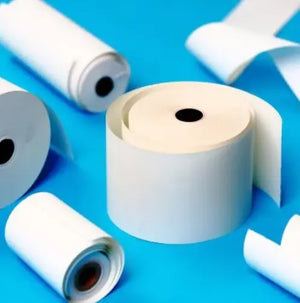
A thermal printer is a printing device that uses heat to transfer ink onto paper. The two main types of thermal printing methods include direct thermal and thermal transfer. Direct thermal printing uses heat-sensitive paper, while thermal transfer printing uses a ribbon to apply ink.
printers use paper that reacts to heat, darkening when the printhead applies heat to it. On the other hand, thermal transfer printers use a ribbon to transfer ink onto the paper, making the prints more durable and long-lasting.
Thermal printers are commonly used in various industries for printing labels, barcodes, receipts, and shipping tags. Their efficiency, speed, and reliability have made them a popular choice for businesses in retail, warehousing, logistics, and healthcare sectors. Whether you're printing product labels, inventory tags, or store receipts, thermal printers offer clear, sharp prints with minimal ink costs.
Average Lifespan of a Thermal Printer
The average lifespan of a thermal printer is typically between 3 to 5 years. However, this range can vary significantly based on how frequently the printer is used, the environment it's kept in, and how well it's maintained. Regular use can cause wear and tear, shortening its lifespan, while proper care can extend it.
Factors like printing frequency, paper quality, and the type of thermal labels used can affect the longevity of your thermal printer. Printers that handle large volumes of prints daily may wear out faster than those used less frequently. Additionally, poor-quality paper and incompatible labels can cause clogging and other issues that can reduce a printer's efficiency and lifespan.
High-end thermal printers, which are designed for continuous, heavy-duty use, tend to last longer than budget models. Additionally, models that are properly cleaned, serviced regularly, and used within their recommended capacity can experience a longer lifespan.
How to Extend the Lifespan of Your Thermal Printer
Extending the lifespan of your thermal printer requires consistent care and maintenance. Below are a few essential tips to ensure that your thermal printer continues to work efficiently for a longer period:
-
Regular Cleaning and Maintenance
One of the most important things you can do is to keep the printer’s printhead and other components clean. Dust, dirt, and ink residue can quickly degrade the performance of your printer. Regularly cleaning the printhead with a soft, lint-free cloth and isopropyl alcohol can help maintain its functionality.
-
Use Quality Labels and Paper: Use Quality Labels and Paper
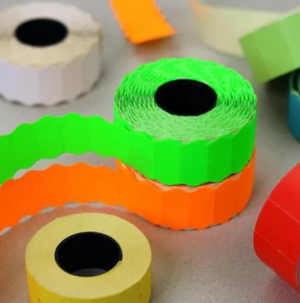
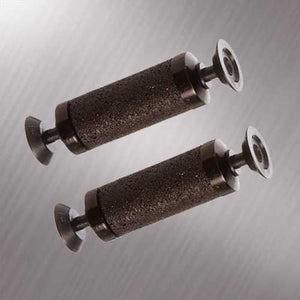
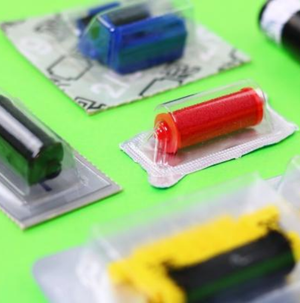
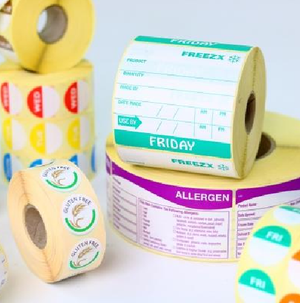
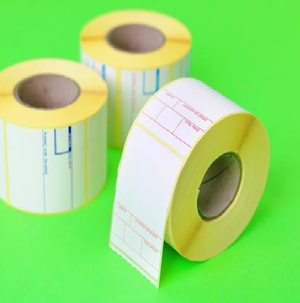
The quality of thermal labels and paper is crucial when it comes to maintaining your thermal printer’s performance and longevity. Using subpar labels or paper can result in frequent jams, poor print quality, and potential damage to the printhead, ultimately reducing the lifespan of your printer. It's essential to ensure that you're using compatible, high-quality materials that are specifically designed for your thermal printer model. Using the right direct thermal labels can prevent issues like fading or smudging, which are common with low-quality labels. Alternatively, for printers that use thermal transfer printing, thermal transfer ribbons are essential. These ribbons transfer ink onto the label or paper to create high-quality, durable prints that are resistant to fading over time. By using the correct ribbons, businesses can improve print quality, reduce printer strain, and extend the lifespan of the printer.
-
Proper Storage Conditions
Environmental factors, such as temperature and humidity, play a significant role in extending the printer's life. Store your thermal printer in a cool, dry place away from extreme temperatures to prevent damage.
-
Follow Manufacturer Instructions
Each thermal printer model has its specific operating instructions. Be sure to follow these guidelines to avoid unnecessary wear and tear.
For businesses seeking high-quality thermal labels and thermal transfer ribbons, Price Gun Land offers a variety of products that can help ensure long-lasting prints. Check out their range of direct thermal labels and thermal transfer ribbons for reliable and durable printing solutions.
Signs Your Thermal Printer Needs Replacing
Even with the best maintenance, every thermal printer eventually reaches the end of its useful life. Knowing when to replace your thermal printer is essential to avoid disruptions in your business operations. Common signs that your thermal printer may need replacing include:
-
Poor Print Quality: If the prints become faded, inconsistent, or blurry despite regular cleaning, this could indicate that the printhead is worn out and no longer functioning efficiently.
-
Frequent Paper Jams: Constant paper jams can indicate a mechanical problem or worn-out parts. If the jams persist even after cleaning, it may be time to replace the printer.
-
Error Messages or Malfunctions: Constant error messages or malfunctions that cannot be fixed through basic troubleshooting are clear signs that the printer is nearing the end of its lifespan.
If you notice any of these issues and repair costs are high, it might be more cost-effective to replace the printer rather than trying to fix it.
Ensure Your Thermal Printer's Longevity – Shop Quality Labels and Ribbons at Price Gun Land
The lifespan of a thermal printer can be significantly extended with proper care and maintenance, such as regular cleaning, using quality labels, and storing the printer in optimal conditions. If you notice signs of wear like poor print quality or frequent paper jams, it's essential to address the issue promptly, either through maintenance or by considering a replacement.
For businesses looking to ensure the best performance from their thermal printers, consider exploring the extensive range of high-quality thermal printers, thermal labels, and thermal transfer ribbons available at Price Gun Land. With products designed for long-lasting and efficient printing, you can improve print quality, reduce the need for repairs, and ensure the continued reliability of your equipment. Visit Price Gun Land today to find the right thermal printing solutions for your needs!